Connect the systems your operations already depend on
ELIAN brings existing site equipment, edge devices and business systems into one operational workflow, so teams can act without replacing what already works.
At the site
Bring existing equipment online
No rip-and-replace: ELIAN reads signals from equipment already deployed at the site and turns them into live operational context.
Modbus TCP / RTU
Pull holding / input registers from PLCs, BMS controllers and meters. Per-register polling intervals; signed and unsigned 16/32-bit support.
OPC-UA
Subscribe to existing SCADA tag namespaces. Browse the address space from the admin UI; pin tags to ELIAN sensors.
LoRaWAN
Webhook-based ingestion from The Things Network and ChirpStack. Per-LNS configuration, per-device decoder support.
BACnet/IP
Ingest building-management signals (HVAC, lighting, occupancy). Read-only by default.
M-Bus
Wired meter-bus for water, heat and energy meters. Periodic polling with at-least-once semantics.
BLE GATT
Bluetooth-LE characteristic reads from beacons and sensors via the gateway’s built-in radio.
Zigbee
Bridges an existing Zigbee2MQTT setup: device state is re-mapped per device and republished as standard telemetry. Needs Zigbee2MQTT and a coordinator running alongside the gateway.
KNXnet/IP
Tunnels to a KNX IP gateway, listens for group telegrams and runs periodic group reads, decoding DPT values into ELIAN sensors.
BLE, Zigbee and KNX integrations require host radio access (BLE) or a third-party coordinator/gateway on the LAN (Zigbee2MQTT, KNXnet/IP).
To the cloud
Send the right events into the rest of your stack
Connect internet-facing devices directly, and push ELIAN events into the systems your team already uses for reporting, work orders and response.
REST
Devices POST readings with API-key auth (header or body). Per-device primary & secondary keys, stored hashed and rotatable from the UI.
MQTT
Native MQTT broker with a standard topic hierarchy. External pub/sub supported.
CoAP
Lightweight UDP for constrained devices.
Webhooks (in)
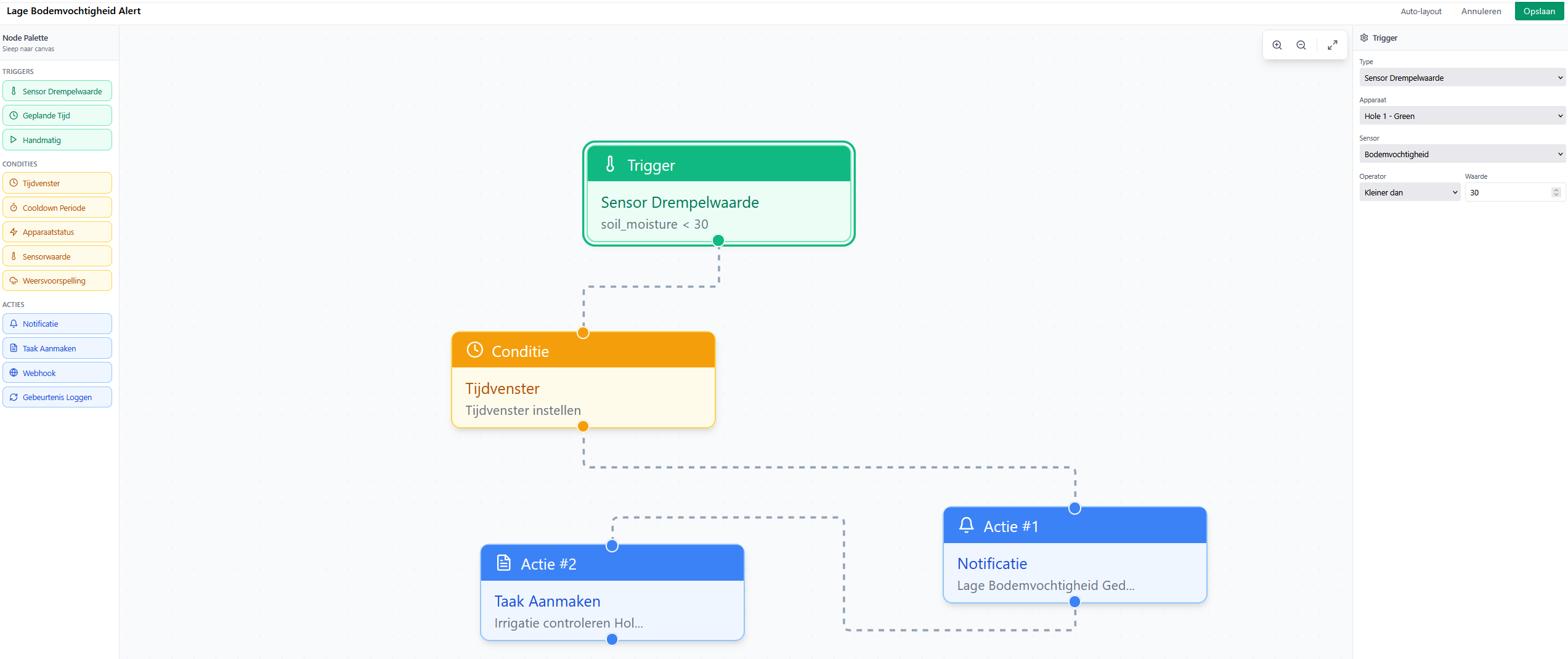
Trigger workflows from external systems with a per-workflow URL and shared secret.
Webhooks (out)
Workflow actions can fire arbitrary HTTPS POSTs with template-rendered bodies.
Out to your team
Alerts reach people where they already work
Route alerts and reports through the channels your teams trust, with critical events kept visible across email, SMS and in-app notifications.
Azure Communication Services as primary path with O365 SMTP fallback. Multi-language templates.
SMS
Twilio, Vonage, MessageBird or Azure Communication Services. E.164 validation, per-channel event-type filters, per-user quiet hours (critical alerts override).
In-app notifications
Real-time WebSocket delivery to the Notification Center. 13+ categories with per-category email / in-app toggles per user.
A clean bridge to the rest of your stack
ELIAN can push events, tasks and operational records into ticketing tools, ERP, CMMS, chat platforms and other systems your team already runs. We can walk through the integration shape you need and keep the operational workflow intact.