One platform for every site, device and response
ELIAN connects site data, AI detection, visual context and workflows in one place, so distributed operations teams can see what changed and act faster.
The platform
One operating layer for distributed sites
Live site visibility
Bring telemetry, device status and alerts together so teams can spot abnormal behaviour before it becomes downtime.
Real-time visual detection
Turn existing cameras into AI sensors that detect activity on site and keep working when the cloud link is unreliable.
Shared site context
Use maps, models and device markers to give operators, managers and field teams the same view of what is happening.
Response workflows
Route alerts into tasks, evidence and follow-up actions so issues move from detection to resolution without manual handover.
Daily operational priorities
Summarise what changed, what was acknowledged and what likely needs attention next, with links back to the underlying evidence.
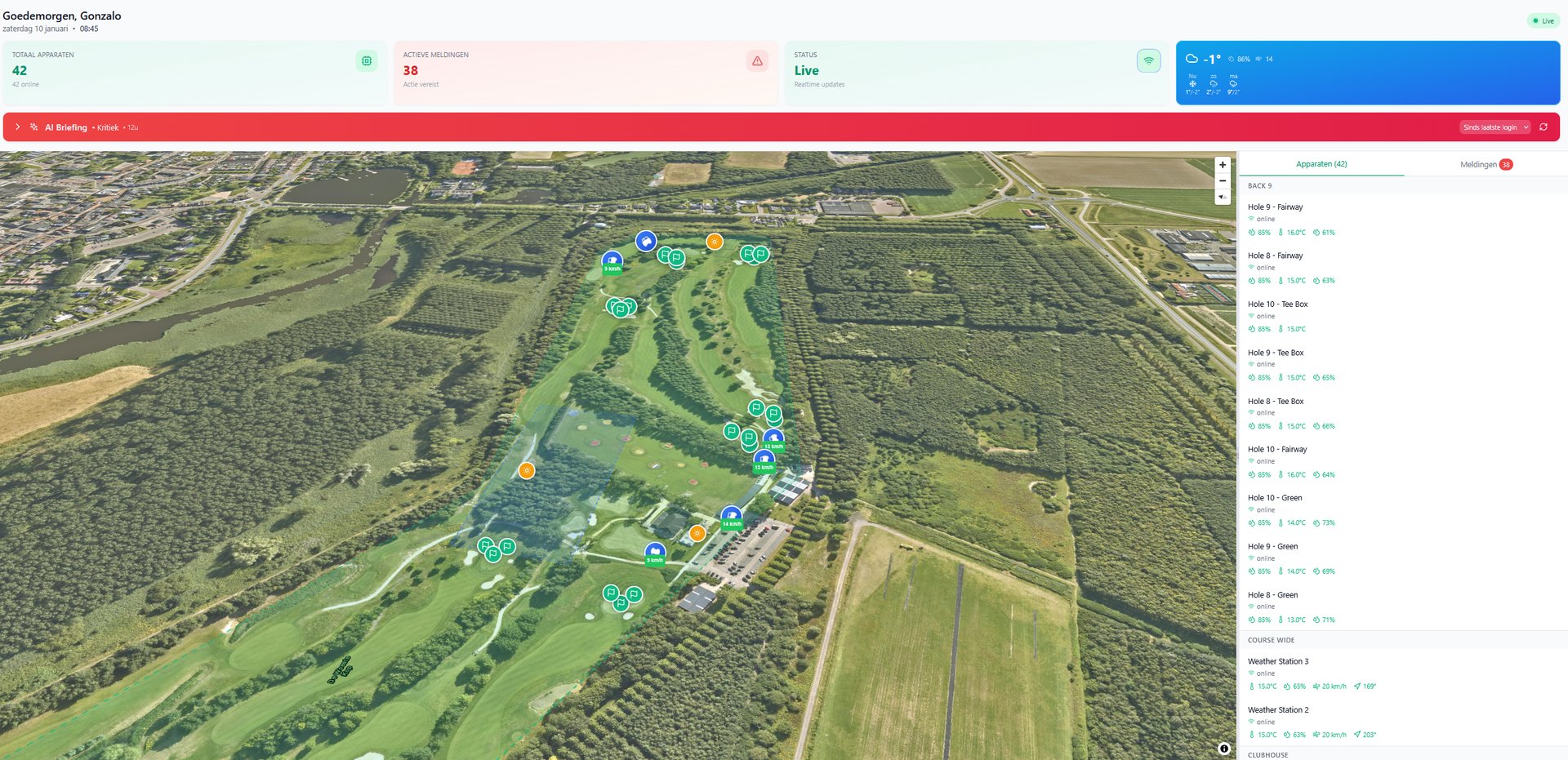
See your sites in one map
Devices, alerts, work orders, weather and visual evidence on a unified map. Drill into any site for telemetry timelines, geofence overlays, and live camera feeds, all with WebSocket-driven live updates.
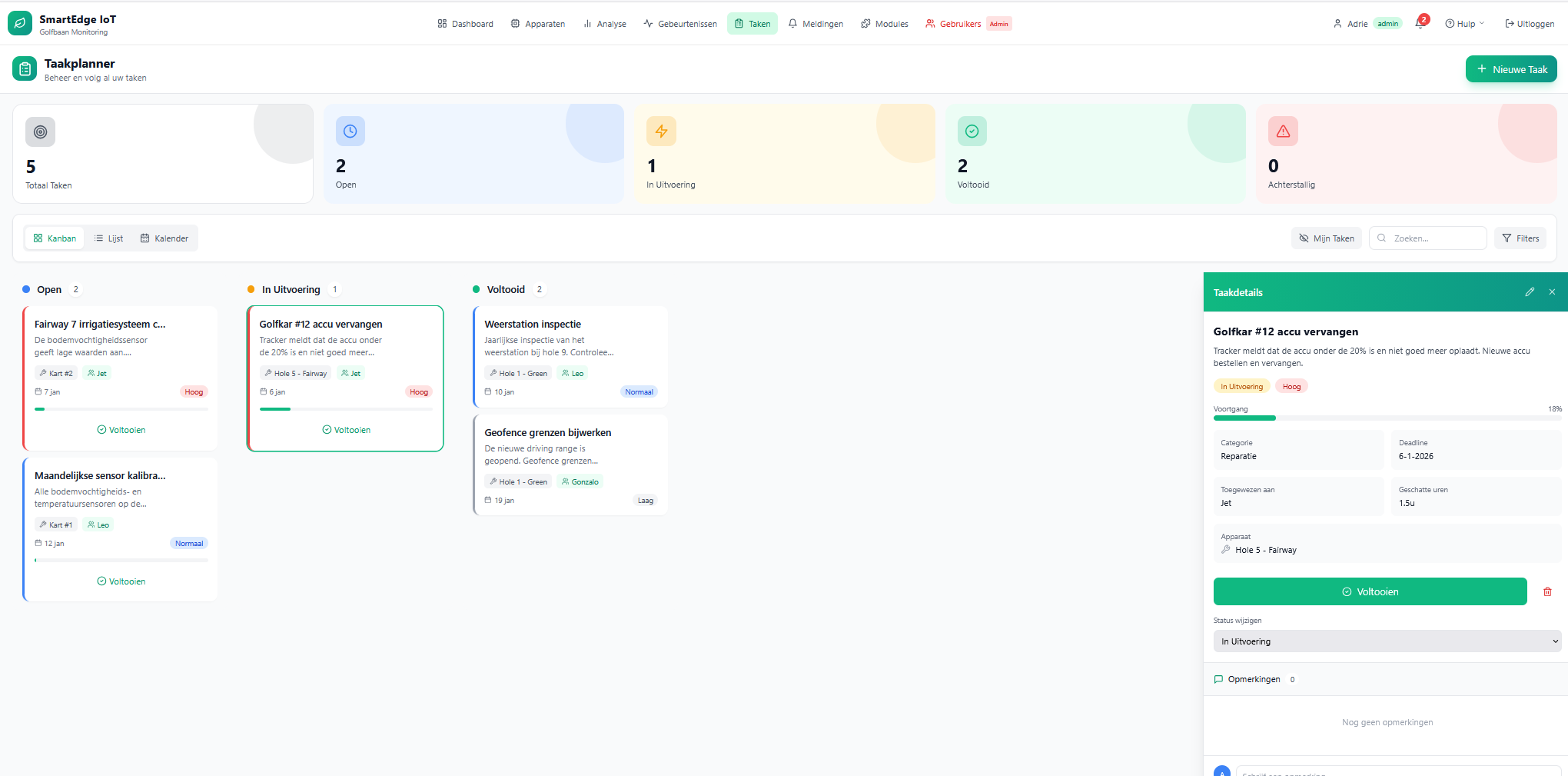
Plan, dispatch, follow up
Convert detected events into tasks on a Kanban or calendar board. Assign crews, attach evidence, capture proof of completion, and feed insights back into your maintenance plan.
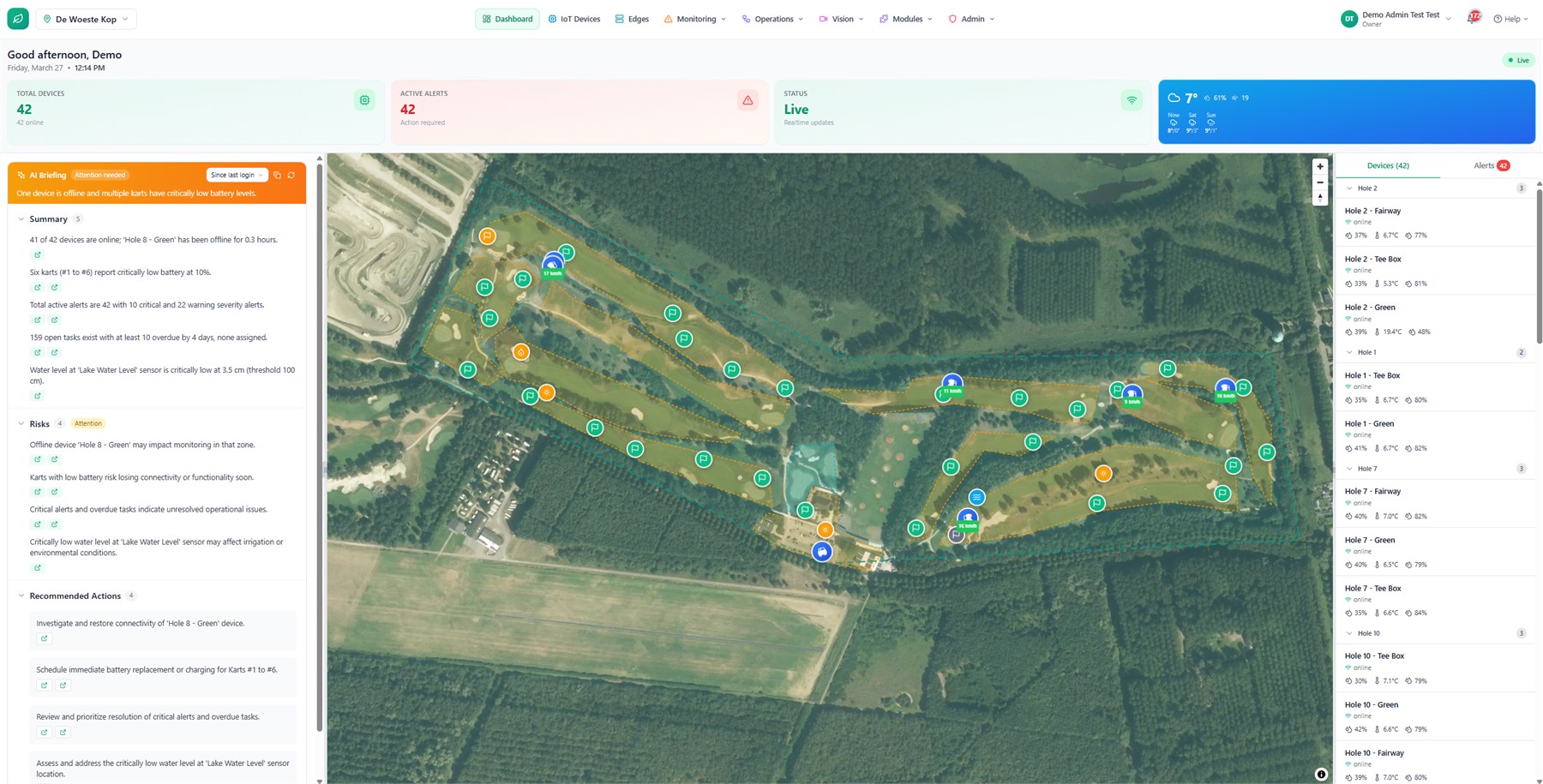
Operations companion that earns its keep
The AI Daily Briefing summarises what changed, what was acknowledged, and what likely needs attention next. Every insight links back to the underlying event so your team can verify before they act. Works in English, Dutch and French.
Edge fleet you can actually run
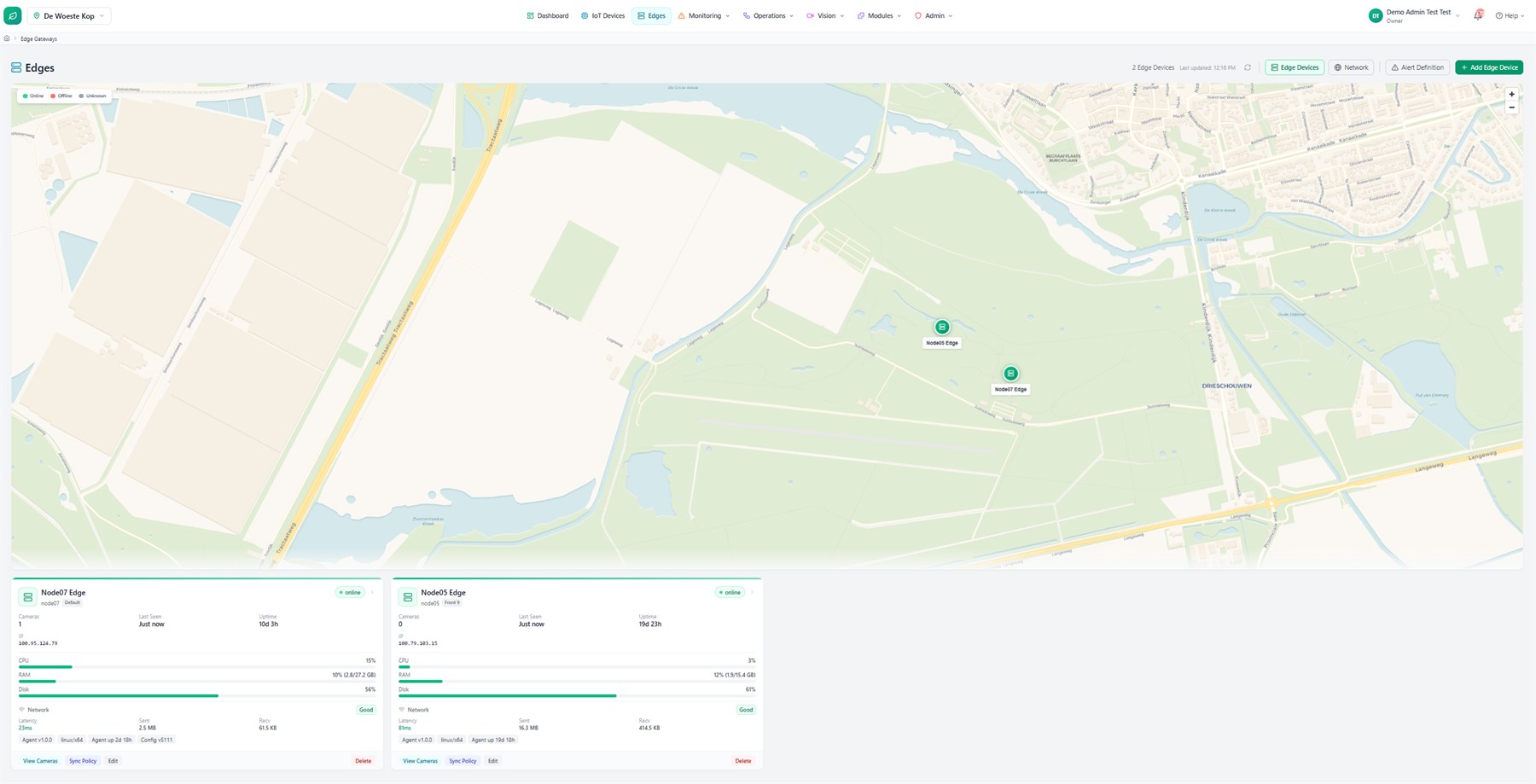
One command provisions a new site: it installs the runtime, joins the VPN mesh and activates the gateway, with no truck roll. Push new AI models to the edge over the air, watch CPU, disk and latency on every node, and re-provision a site remotely. Edges run offline and sync on their own schedule, so you decide what crosses a constrained link.
Fleet operations
Run a hundred sites like one
Distributed sites are where the costs hide: truck rolls, blind spots, and overages on metered links. ELIAN puts the whole fleet on one screen over a private mesh, so you run it from the cloud instead of the road.
Know what's wrong before you dispatch
When a remote site goes quiet, you can't tell if it's the link, the box or the power, so someone drives out to look. A NOC view scores every connection, breaks latency down across VPN, TCP and HTTP, and gives each edge its own health dashboard (CPU, disk, GPU, cameras and alerts), so you diagnose from your desk.
Find the one site that needs you
With dozens of sites, the hard part isn't fixing the problem, it's knowing which site has one. See the whole fleet as a status-coloured map or sortable list and filter by status or zone to go straight to the red one.
Built for sparse, expensive links
Many sites run on cellular or satellite: slow, metered and unreliable. Per-edge upload policies and a 14-day bandwidth forecast send only the clips and events that matter, when bandwidth is cheapest, and the edge keeps recording offline until the link clears. A constrained connection never gets swamped or runs up a bill.
Fix it without the drive
A single site visit can cost a half-day on the road. Probe cameras, rescan the LAN and reset-and-reprovision a whole site remotely over the mesh, so most problems are solved before anyone leaves the office.